
Basement Waterproofing: Understanding Your Options
Water in a basement is common, and frequently misdiagnosed. There are three legitimate approaches to basement waterproofing, and each applies to specific conditions. Knowing the difference is the foundation of getting it right. This page explains how basement waterproofing actually works, what each option does, what it does not do, and the installation details that determine whether a system performs for decades or fails within years.
Get Your Free Estimate
Tell us what you’re seeing. We’ll call to set up a free inspection.
Before Waterproofing: Ask the Right Diagnostic Question
Water is a symptom. The cause determines the solution and the order of repairs.
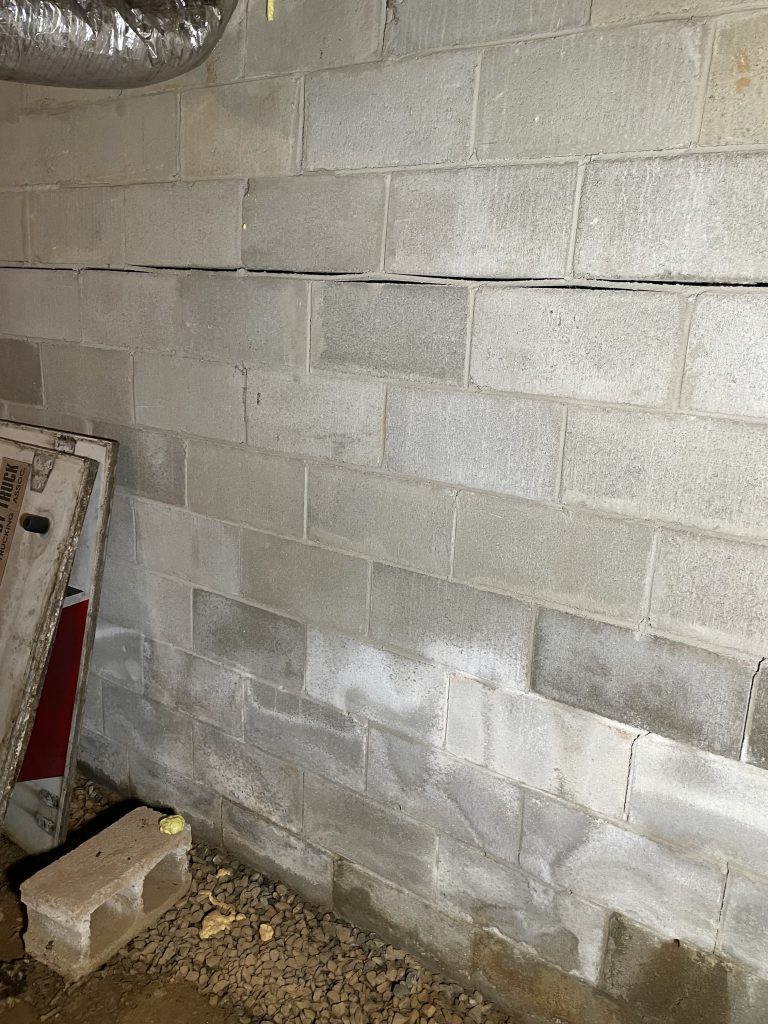
If water is coming through a structurally compromised wall
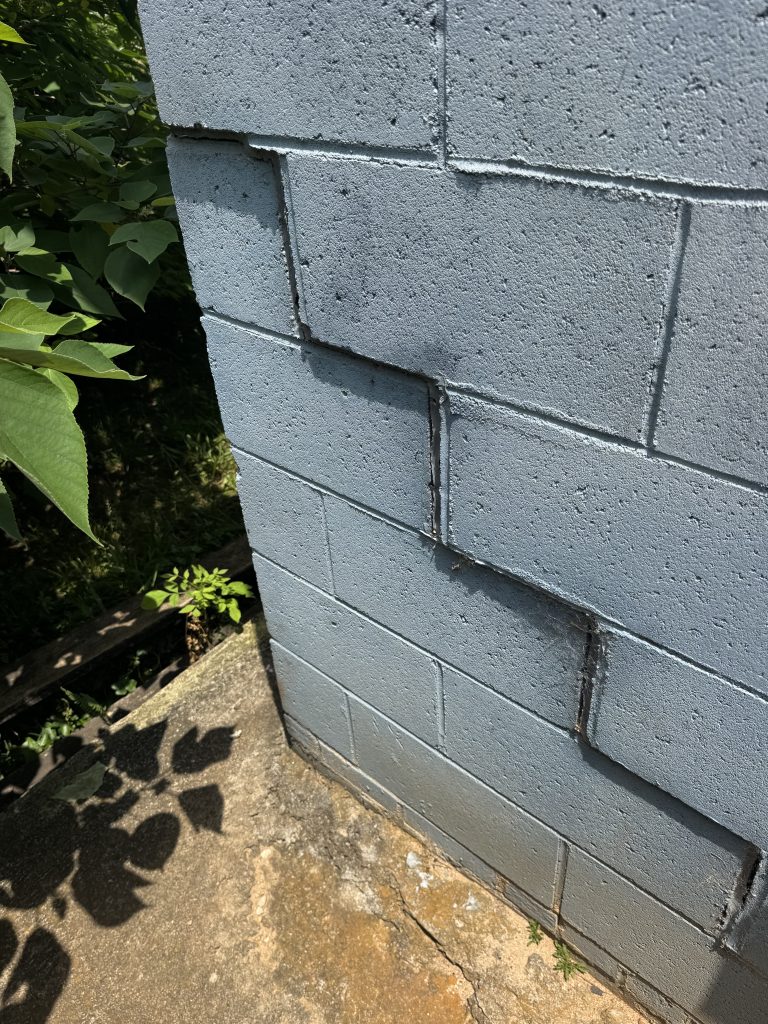
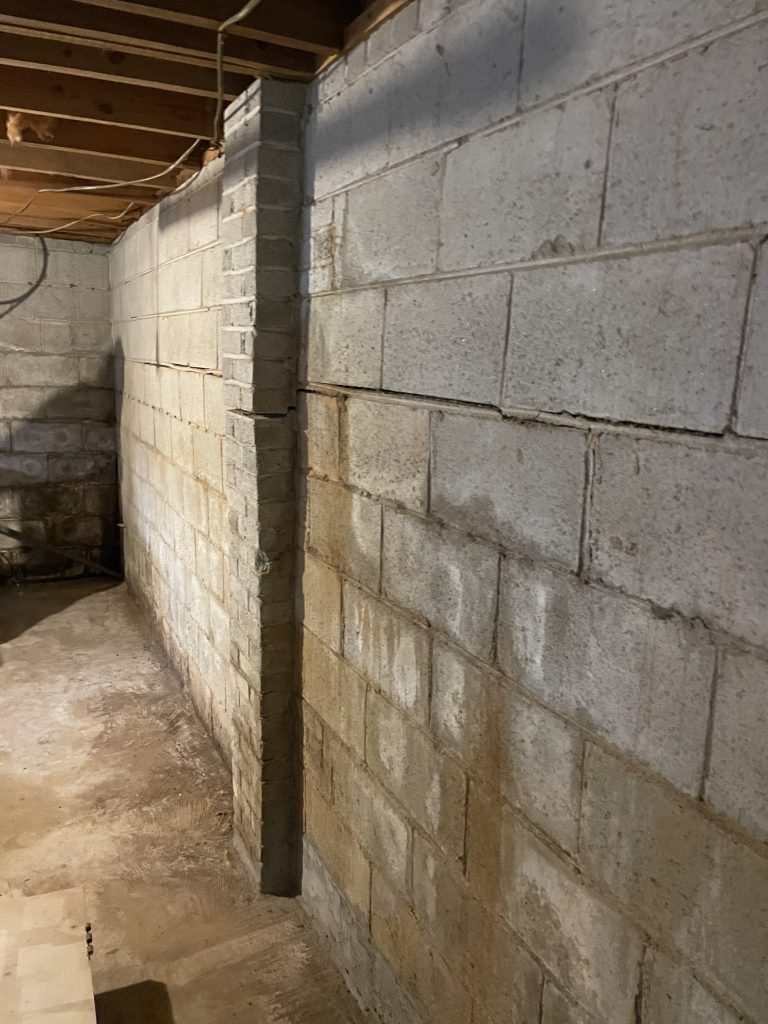
A cracked/bowing wall, displaced block wall, or a wall-floor joint opened by settlement is a structural issue that allows water in. Waterproofing alone can fail if the wall is still moving, structural repair comes first, and waterproofing follows.
If water is entering through a structurally sound wall
If the wall is stable but allowing moisture through the material, at the wall-floor joint, or through minor cracks, that’s a true waterproofing problem, the solutions below apply.
Want To Learn More?
See our Basement Water Intrusion (symptoms) page for “what you’re seeing” and what it usually means.
The 3 Approaches to Basement Waterproofing
1) Exterior Waterproofing (source control)
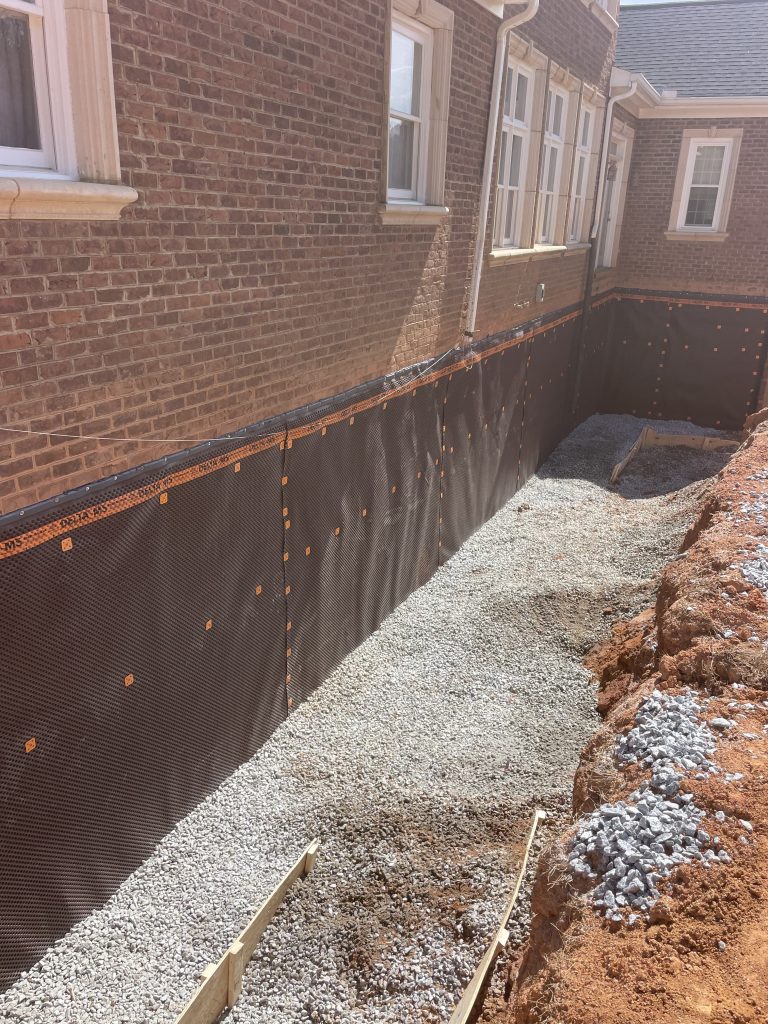
Exterior waterproofing is the most comprehensive option because it addresses the problem at the source, keeping water away from the wall rather than managing it after it arrives. When done correctly, it’s typically the longest-lasting approach.
What a correct exterior waterproofing system includes:
- Excavation to the footing
- Wall preparation and surface repairs before applying waterproofing
- Waterproof membrane/coating applied consistently
- Dimple mat drainage board to create a drain gap + protect the membrane during backfill
- Perimeter drain at the footing in gravel, wrapped in filter fabric, with clean-out access
- Backfill and grading that slopes away from the foundation
When exterior waterproofing is the right fit:
- You want maximum source control
- You can excavate the wall (no driveway/deck/utility constraints)
- You’re addressing chronic exterior water pressure conditions
2) Interior French Drain + Sump Pump (water management)
An interior drainage system (often called an interior French drain or perimeter drain) is widely installed and genuinely effective when installed correctly.
How it works:
- A channel is cut around the perimeter
- Perforated pipe sits in washed gravel
- Water entering through the wall or wall-floor joint is captured and routed to a sump pit
- The sump pump discharges the water away from the home
What it does: Creates a controlled path for water to reach the drain and pump out, preventing pooling on the floor
What it does not do: It does not stop water from contacting the wall; it manages water after entry
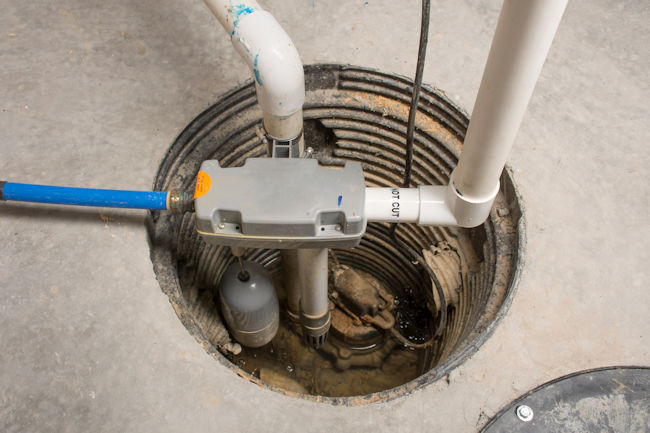
Installation details that matter (the difference-maker list):
- Drain elevation captures water at the wall-floor joint
- Pipe set in clean washed gravel
- Proper sump pit sizing
- Battery backup sump pump (storms + power outages often happen together)
3) Epoxy Wall Coating (narrow-use solution)
An epoxy coating on the interior wall face is appropriate in a specific condition and commonly misapplied elsewhere.
When epoxy coating is a good solution:
- Wall is structurally sound
- You have efflorescence (white mineral deposits)
- No active seepage, no running water, no standing water after rains
When epoxy coating is NOT the right answer:
- Any bulk water condition (hydrostatic pressure can push coatings off)
- Walls that are cracking or still moving
- Block walls with deteriorated mortar joints (poor substrate bond)
Why the “right” waterproofing solution matters
These approaches are not interchangeable. Installing the wrong solution can waste money, create false confidence, or fail when you need it most. The best waterproofing plan comes from identifying:
- the water source
- the entry point
- wall condition and stability
- site drainage conditions
If you want a clear recommendation without guessing, schedule an inspection so we can identify the entry point and match the solution to the condition.
Waterproofing And Structural Repair Are Connected
Chronic moisture increases lateral pressure on foundation walls, accelerates deterioration, and can contribute to future structural problems. Managing moisture well helps protect long-term foundation health.
Related Pages
Basement Waterproofing FAQs
Is epoxy wall coating a real waterproofing fix?
Yes, but only for a narrow condition: efflorescence without active water intrusion, on a stable wall.
Do I need a battery backup sump pump?
It is strongly recommended, heavy rain events that produce the most water, are also when power outages are most likely.
Does an interior French drain stop water from entering?
No. It manages water after it enters by capturing it and pumping it away.
What’s the best basement waterproofing method?
It depends on whether water is a drainage/surface issue, groundwater pressure, or a structural wall problem. Correct diagnosis comes first.
Serving the Upstate of South Carolina
Foundation and crawl space repair across twelve counties of the Upstate and beyond. Hover a city to see it on the map. Not listed? Call and ask. If we don't cover you, we'll tell you straight.