
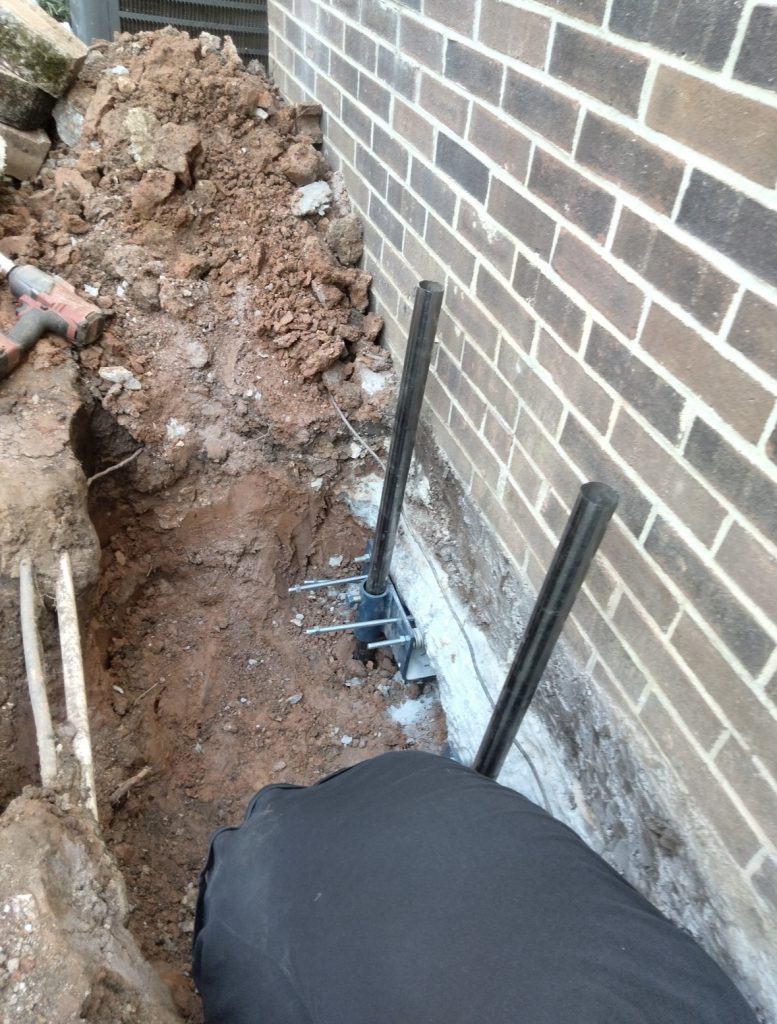
Push Pier Foundation Repair
When the soil beneath a foundation fails and the structure begins to sink, push piers provide a deep foundation solution, especially when space is tight and equipment access is limited. Push piers and helical piles solve the same core problem: they bypass unstable soil and transfer the foundation’s load to stable bearing deeper below. The difference is the installation method, and that difference matters.
Get Your Free Estimate
Tell us what you’re seeing. We’ll call to set up a free inspection.
How Push Piers Work
Step 1 – Foundation bracket installation
A steel bracket is attached at the base of the foundation footing. This becomes the permanent connection point for the pier system.
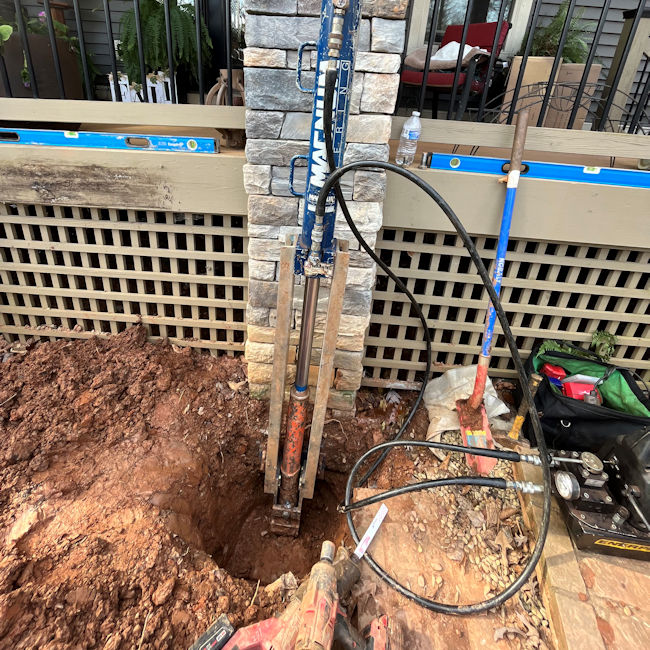
Step 2 – Hydraulic driving of pier sections
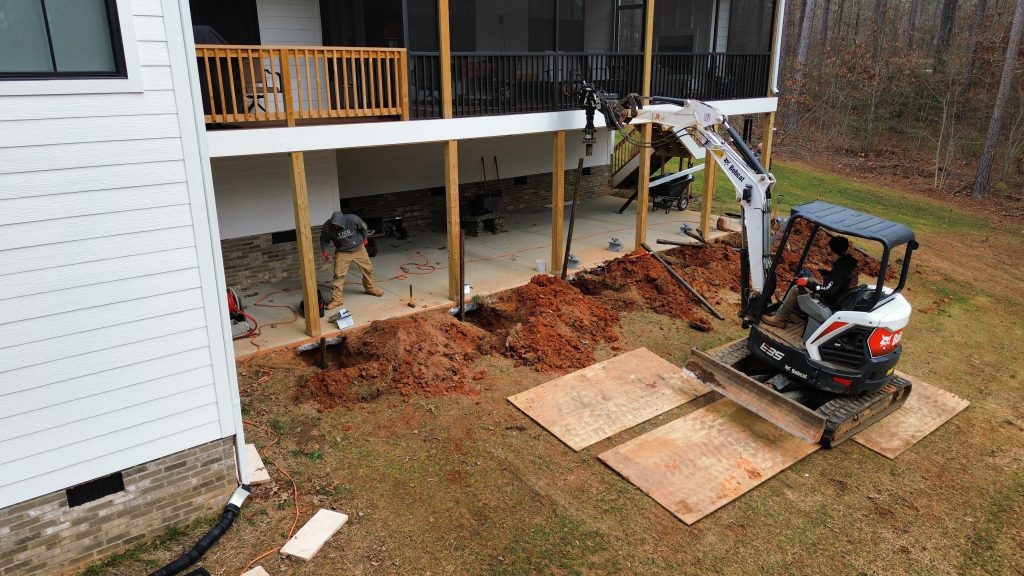
A hydraulic ram drives steel pier sections straight down into the ground. The system advances in segments, with each section indexing into the next until adequate bearing is reached..
Step 3 – Capacity is established by the structure’s load
Push pier capacity is determined by the point at which the soil below resists further movement and begins transferring load back up. The hydraulic ram uses the weight of the structure as the reaction force, so the stopping point correlates to the actual load being supported.
Step 4 – Foundation lifting (when possible)
Once piers are driven and connected, hydraulic equipment can lift the settled section back toward its original elevation.
Signs You May Need Push Piers (Settlement Symptoms)
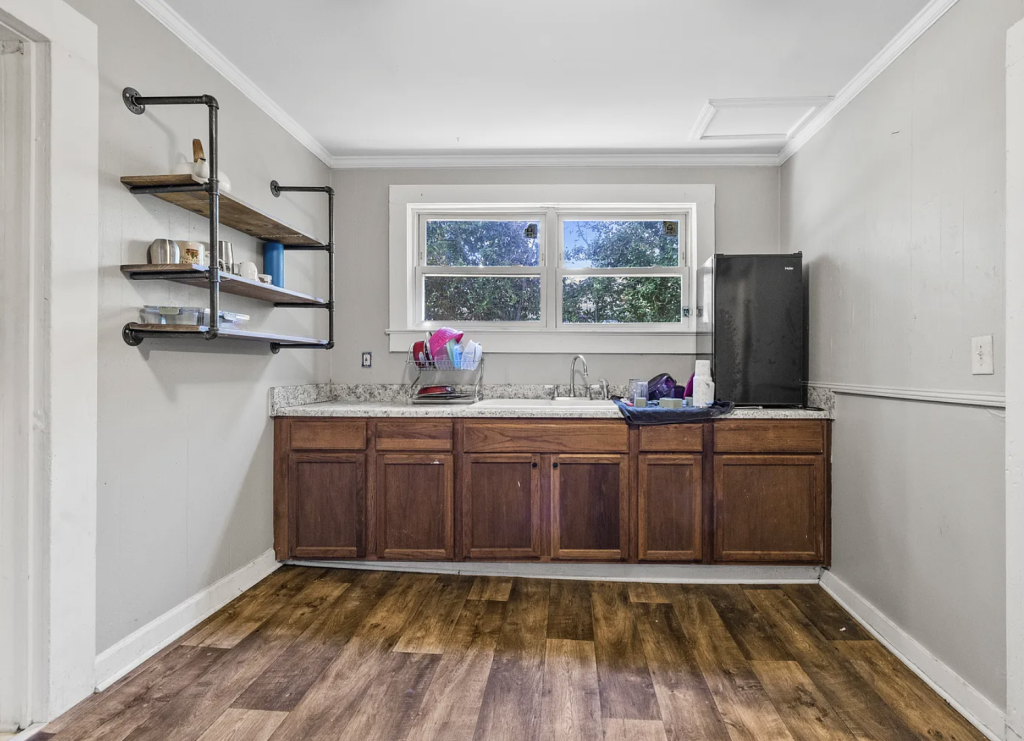
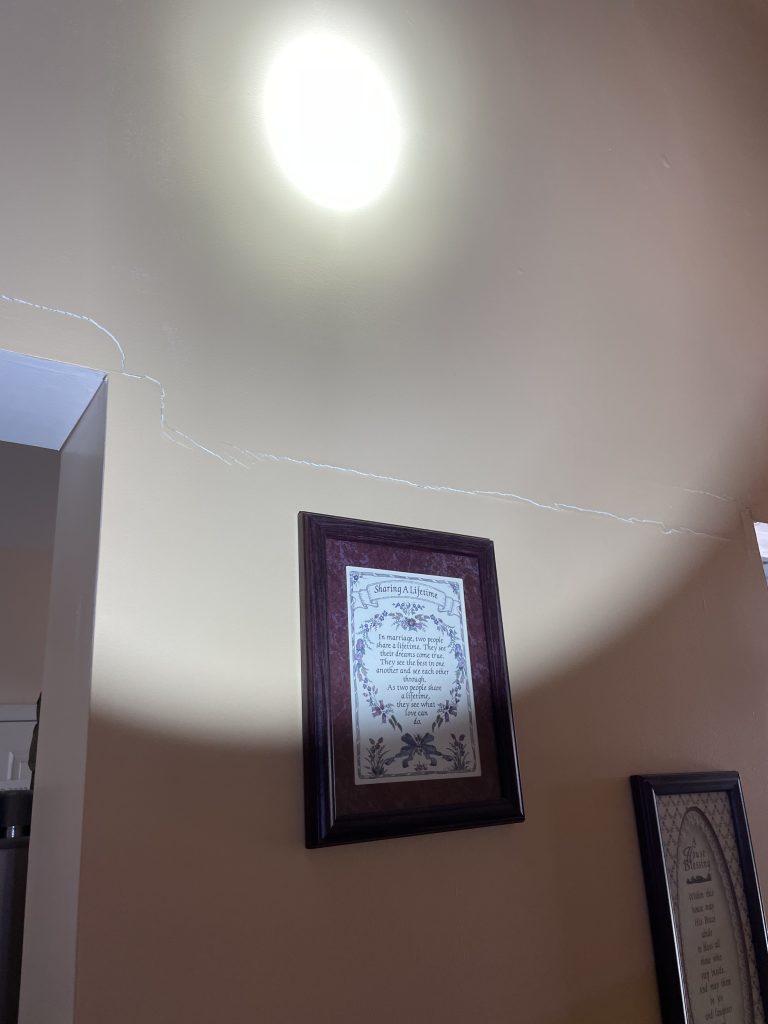
Gaps between walls and the ceiling or floor
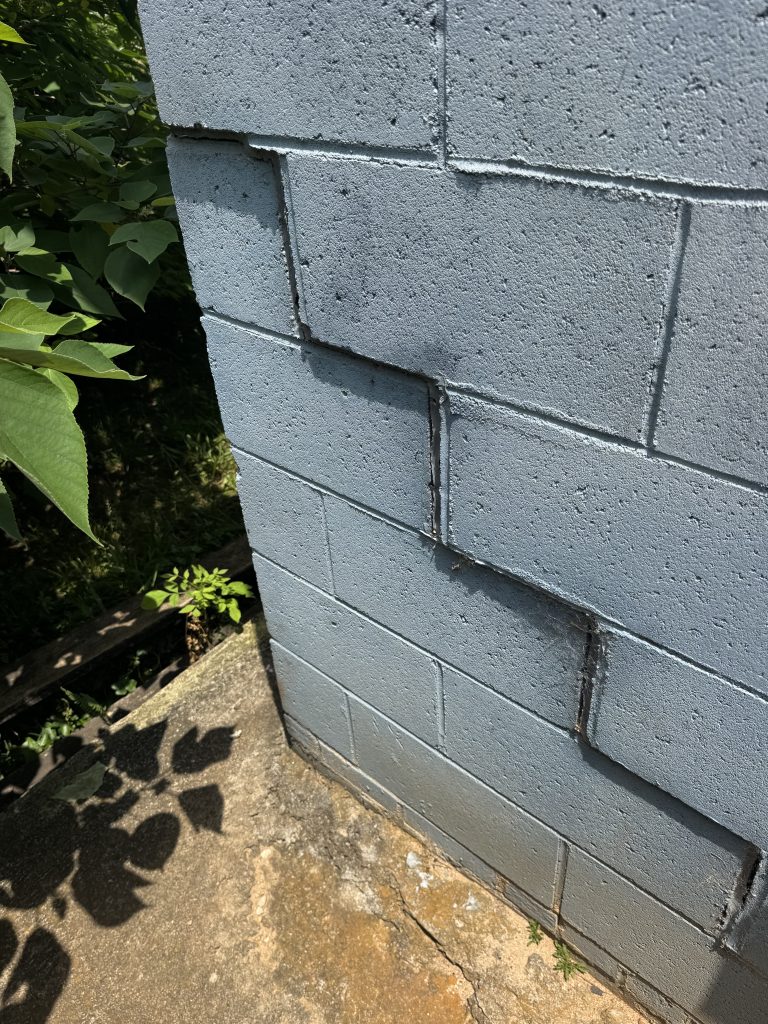
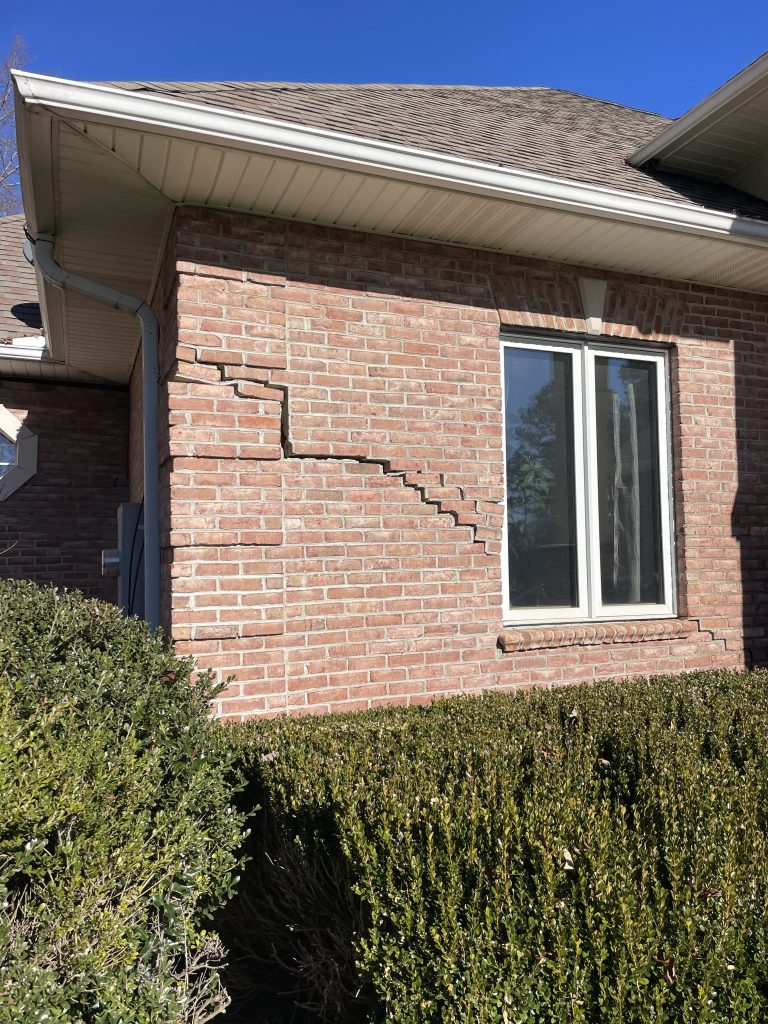
Stair-step cracks in brick/block exterior
Doors/windows that stick, won’t latch, or show gaps at frames
A chimney or section of the home appearing lower than the rest
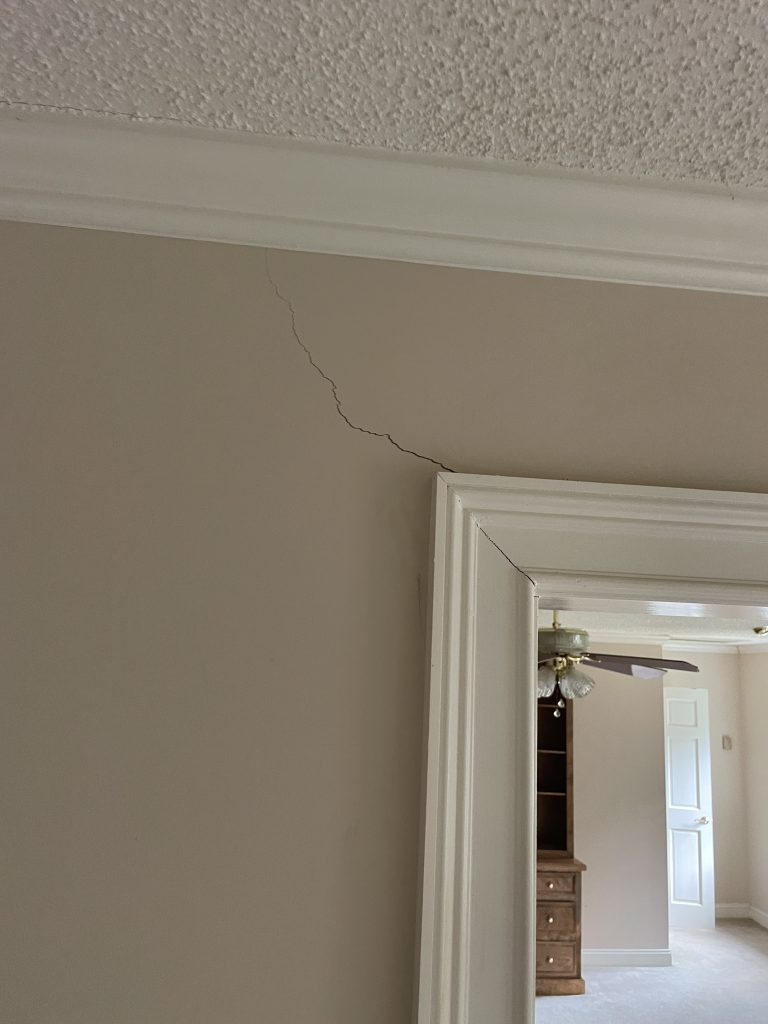
Diagonal cracks at door / window corners (especially on multiple levels)
What to Expect When the Foundation Is Lifted
Lift is often possible, but results vary.
- Lift is the goal, full recovery isn’t always possible (depends on how long settlement has occurred, structure condition, and soil response).
- Lifting doesn’t erase past damage, cracks, trim gaps, sticking doors, and exterior masonry displacement may still need cosmetic repair after stabilization.
Push Piers vs Helical Piles: Two Key Differences
Capacity is tied to current structural load
Push piers use the structure’s weight during installation, and are typically sized to what’s there today. They’re not the best choice if the goal is to accommodate major future load increases (like a large addition).
Minimal equipment footprint (big advantage)
Push piers can be installed in confined spaces, crawlspaces, narrow side yards, basements, where larger equipment for helical piles may not fit. This is often the deciding factor.
Do Push Piers Require a Structural Engineer?
In most cases, yes. Push pier installation typically requires engineering to specify pier layout and provide stamped drawings for permitting. Permitting and inspection protect you and are especially important for resale documentation. We’ve got you covered.
Free Foundation Settlement Inspection
Foundation settlement tends to become more complex and expensive the longer it continues. The sooner movement is stabilized, the better the outcome and the less secondary damage accumulates.
Push Pier Foundation Repair FAQs
Will lifting fix drywall cracks and sticking doors?
Stabilization addresses the cause. Cosmetic repairs may still be needed afterward.
Do push piers require permits and engineering?
Typically yes. Engineering and permitting help ensure the system is designed correctly and documented properly.
Are push piers good for tight access areas?
Absolutely, tight access is one of their biggest advantages.
Can push piers lift a sinking foundation?
Often yes, but full recovery depends on conditions and how long settlement has occurred.
Are push piers the same as helical piers?
No. Both stabilize settlement, but push piers are driven straight down with hydraulics; helical piers are rotated into soil and capacity is based on torque.
Serving the Upstate of South Carolina
Foundation and crawl space repair across twelve counties of the Upstate and beyond. Hover a city to see it on the map. Not listed? Call and ask. If we don't cover you, we'll tell you straight.