
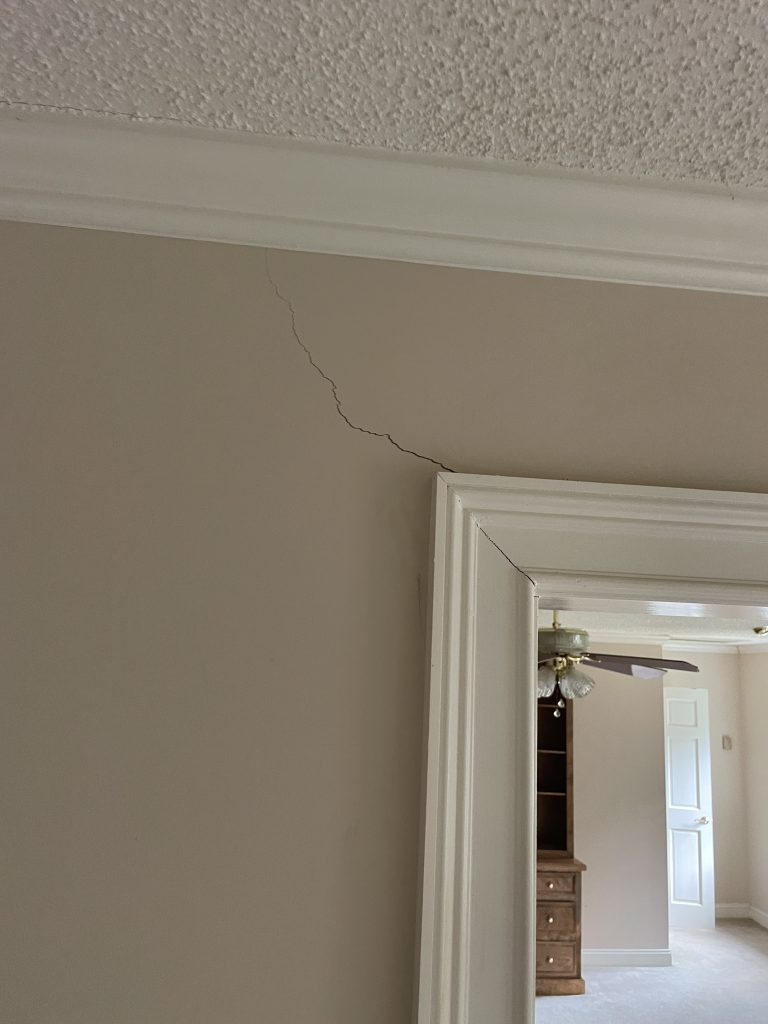
Drywall Cracks Repair and Structural Inspection
Drywall cracks can be normal, but some cracks are a sign of structural movement. If cracks are widening, repeating after repairs, or forming diagonally from doors and windows, it’s time for an inspection. We help homeowners across the Upstate of South Carolina identify the cause of drywall cracking and recommend the right fix, whether it’s framing support, compromised wood repair, or foundation-related stabilization.
When Drywall Cracks Are a Concern:
- Diagonal cracks from door or window corners
- Cracks that widen over time or are over 1/4 inch
- Cracks that return after patching
- Doors/windows that stick or won’t latch
- Uneven, bouncy, or sagging floors
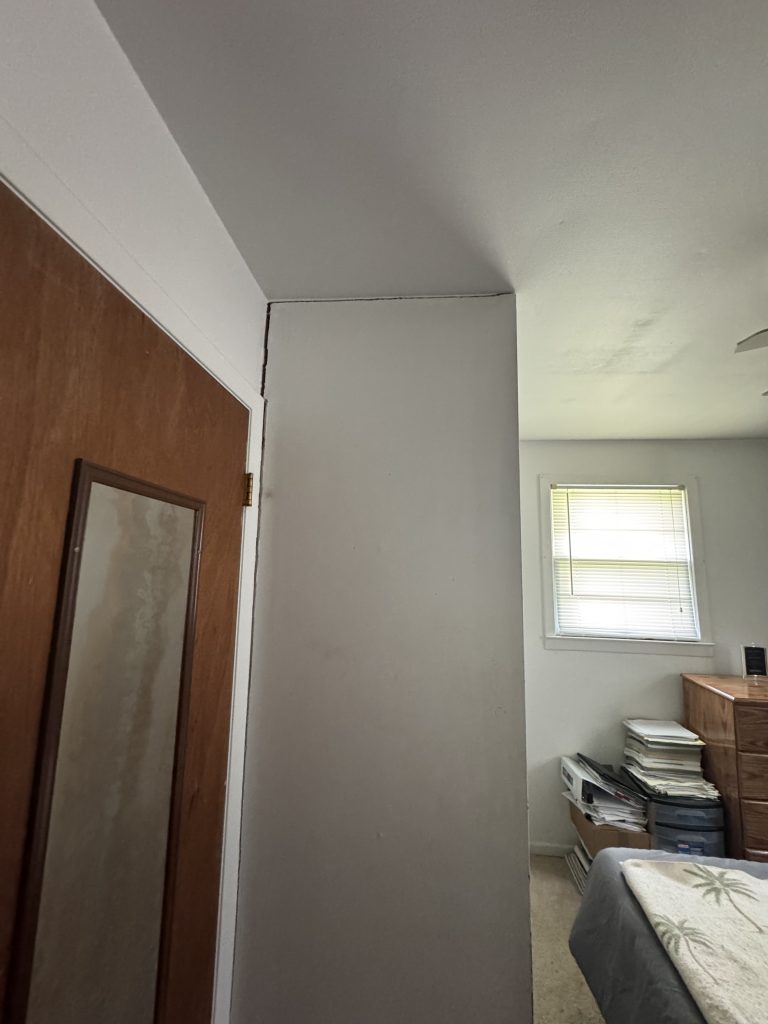
- Gaps between walls and ceilings or walls and floors
Get Your Free Estimate
Tell us what you’re seeing. We’ll call to set up a free inspection.
Types of Drywall Cracks and What They Usually Mean
Nail Pops (Typically Cosmetic)
Small bumps or divots where a screw/nail head pushes against drywall are common. Seasonal expansion and contraction can cause these and they are usually not structural.
Straight Cracks Along Drywall Seams (Often Cosmetic)
A straight line crack along a seam can happen from normal vibration and minor settling. Monitor it, but seam cracks alone are not always a structural issue.
Diagonal Cracks From Door and Window Corners (High Priority)
Diagonal cracks at a 45-degree angle from an opening often indicate movement in the wall system. Common causes include:
- Insufficient structural support beneath the area
- Compromised framing from moisture, dry rot, or termites
- Settlement that is transferring stress into wall openings
These cracks are more likely to return if you only patch drywall without correcting the underlying support.
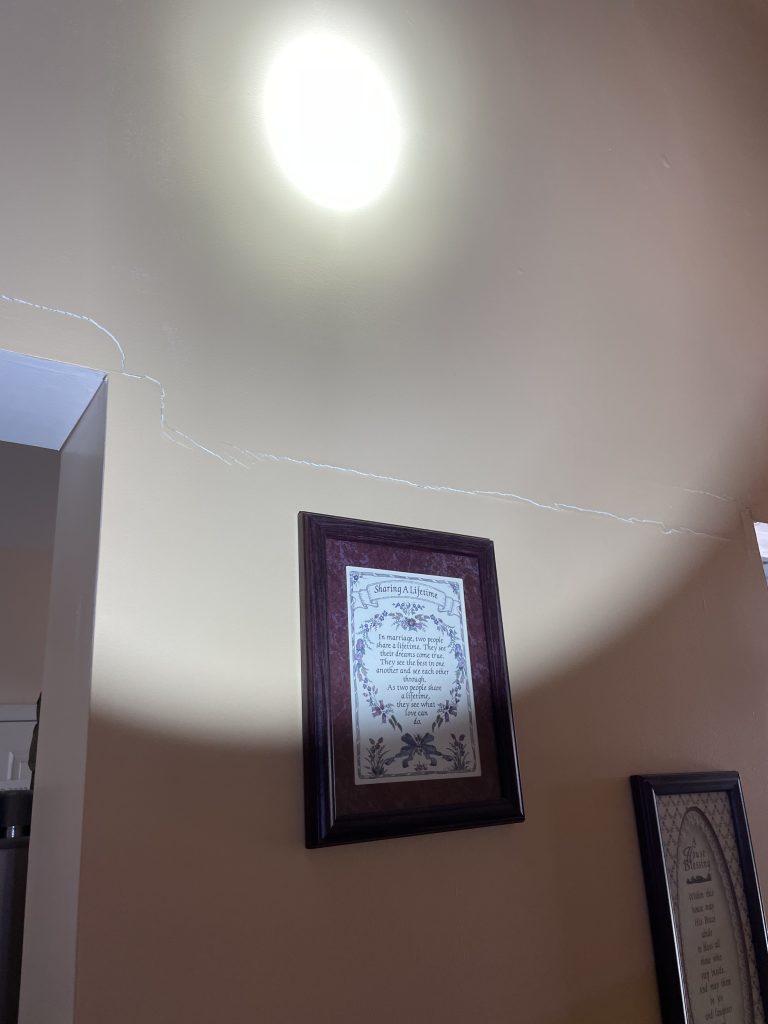
Large or Widening Cracks (High Priority)
Cracks that are wide, growing, or spreading can indicate active movement, such as:
- Uneven settlement
- Moisture-related support issues
- Crawlspace structural deterioration (posts/beams/joists)
- Soil movement or drainage problems
What We Check During a Structural Inspection
We look beyond the drywall to find what’s driving the cracking, including:
- Signs of structural stress (floors, framing, load paths)
- Compromised wood (termite damage, dry rot, wet rot, water-damaged framing)
- Support deficiencies (posts, beams, joists needing reinforcement)
- Indicators of broader foundation movement when applicable
After inspection, we explain what we found and what repairs are recommended.
Why Drywall Crack Repairs Often Fail
Drywall patching and paint are cosmetic. If the structure is still moving, cracks often reappear. A lasting fix requires addressing the cause, support, framing, or stabilization, then repairing the drywall.
Why Homeowners Choose Structural Repair
Structural issues have a quiet way of stealing comfort. You adapt. You step around that spot. You stop trusting the floor the way you used to.
Repair changes that.
If you want a simple next step, start with an inspection. We’ll tell you what’s happening and what it would take to fix it.
Structural Repair FAQs
What should I watch for besides drywall cracks?
Sticking doors/windows, uneven floors, wall gaps, and cracks that grow over time are key warning signs.
When is a drywall crack just cosmetic?
Nail pops and straight seam cracks are often cosmetic. Widening or diagonal cracks deserve inspection.
Can crawlspace structural issues cause drywall cracks?
Yes. Floor system movement and compromised framing can transfer stress into walls and openings.
Why do repaired drywall cracks keep coming back?
If the structure is still moving, cosmetic repairs fail. The underlying cause must be corrected first.
Are diagonal cracks above doors and windows serious?
They can be. Diagonal cracks often indicate movement around an opening and should be evaluated.
Serving the Upstate of South Carolina
Foundation and crawl space repair across twelve counties of the Upstate and beyond. Hover a city to see it on the map. Not listed? Call and ask. If we don't cover you, we'll tell you straight.